FOUNDER: BIGGER.NET (1996-1998)
INVENTOR: US PATENT 6,757,661
AS SEEN ON: CNN, USA TODAY, MSNBC
>> VIDEO EVIDENCE & TRANSCRIPTS
NEWS INTERVIEW WITH SCOTT SMITH (1997)
CONFIRMED MEDIA & REPORTERS IN THIS CLIP:
CNN Live Interview with Scott Smith (Digital Jam)
WCBS Joe Connelly (Wall Street Journal Report)
SF Herb Greenberg (SF Chronicle Columnist)
KCBS Jim Taylor (Radio Reporter)
MAG Steve Vanderar (Interactive Week)
NEWS REPORT: "THE FREE INTERNET BOOM"
CONFIRMED MEDIA & REPORTERS IN THIS CLIP:
CNBC Jim Goldman (High Tech Reporter) - Live Interview
CNN Greg Lefevre & Rusty Dornin - Recorded Interview
DATA Chris Thompson (Data Quest Analyst)
MSNBC David Bowermaster (Interactive)
NBC Gina Diamore (News Center 4 Anchor)
>> MARKET DOMINANCE (OFFICIAL RANKINGS)
1997-08-01 | SILICON VALLEY BUSINESS JOURNAL
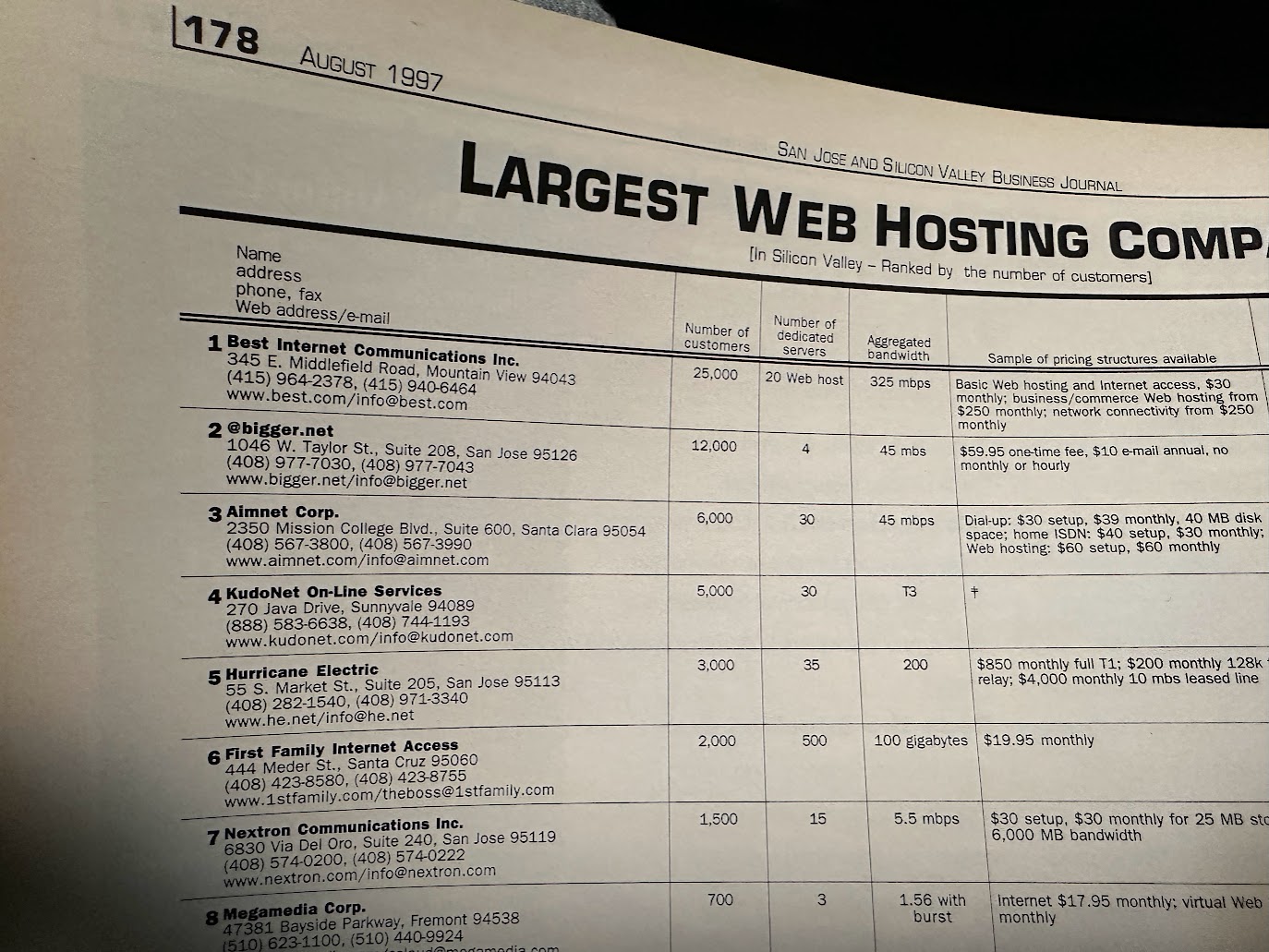
RANKED #2: LARGEST WEB HOSTING COMPANY
Official Statistics (August 1997): @bigger.net was ranked the #2 Largest Web Hosting Company in Silicon Valley with 12,000 active customers, trailing only Best Internet and beating Aimnet and Hurricane Electric.
1997-08-01 | SILICON VALLEY BUSINESS JOURNAL
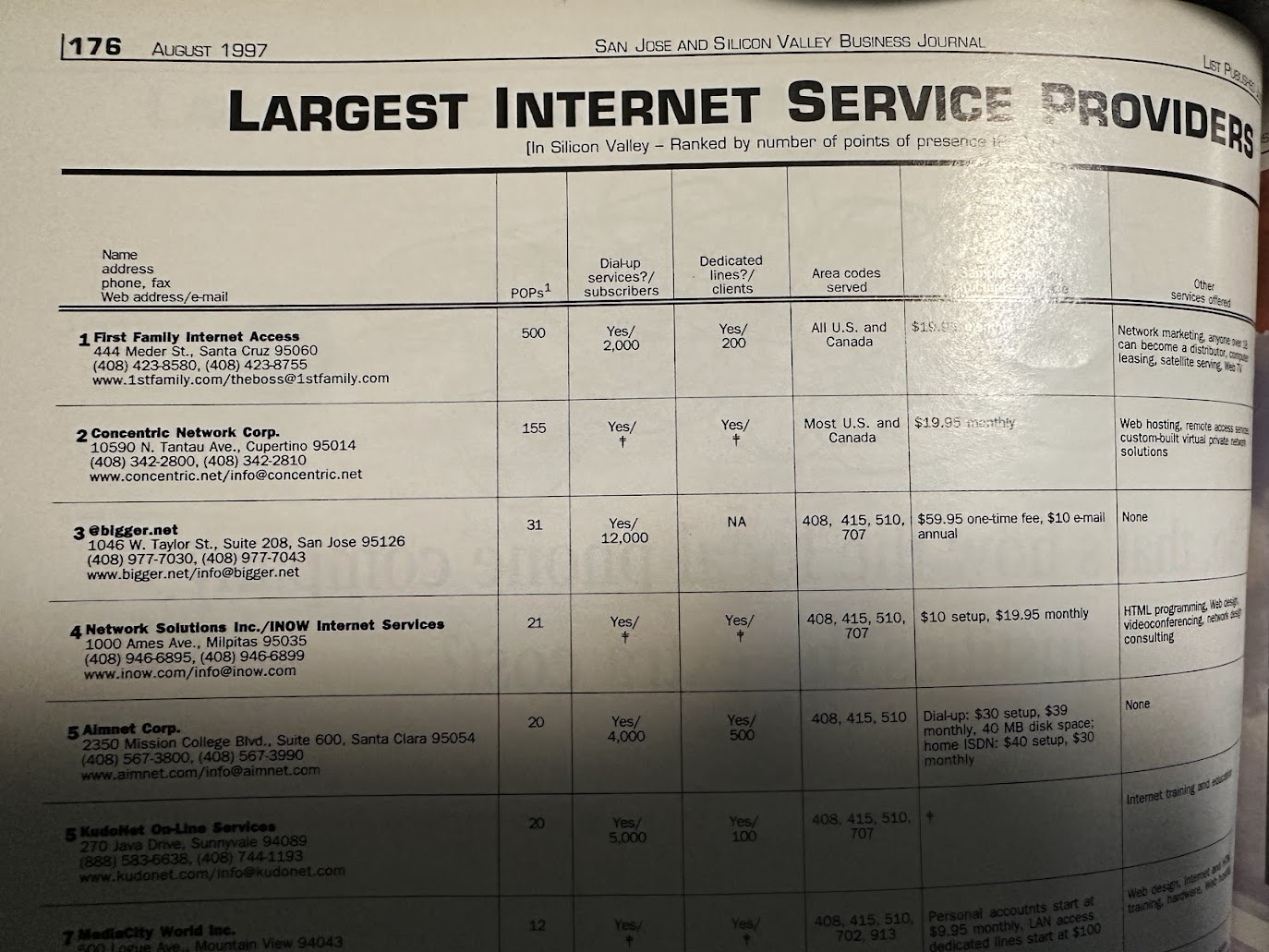
RANKED #3: LARGEST ISP
Official Statistics (August 1997): In the "Largest Internet Service Providers" list, the company ranked #3 overall with 12,000 subscribers and 31 POPs (Points of Presence) covering all major Bay Area area codes (408, 415, 510, 707).
>> NATIONAL PRESS COVERAGE
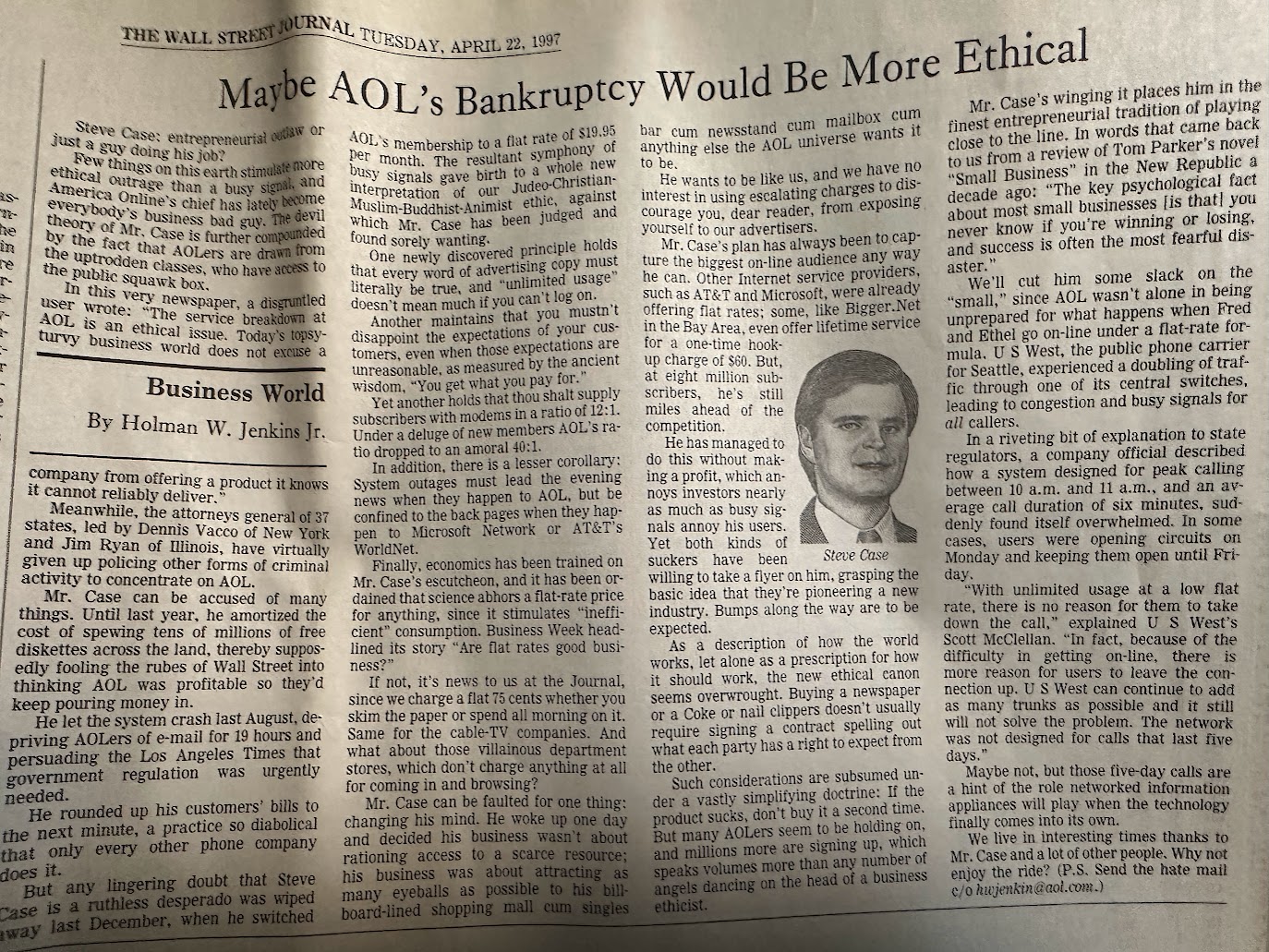
1997-01-24 | THE WALL STREET JOURNAL
MARKET REPORT: "THE $59.95 DISRUPTION"
Financial Validation: The Wall Street Journal covered the launch in their Technology & Business section. The article analyzed the financial viability of the lifetime access model against AOL's hourly fees.
[ARCHIVE CITATION: WSJ TECH SECTION, JAN 24, 1997]
1997-11-24 | CNET NEWS
"One-fee ISP faces challenges"
CRITICAL VERIFICATION: This industry report explicitly names "Scott Smith" as the spokesperson and connects him directly to the @bigger.net brand.
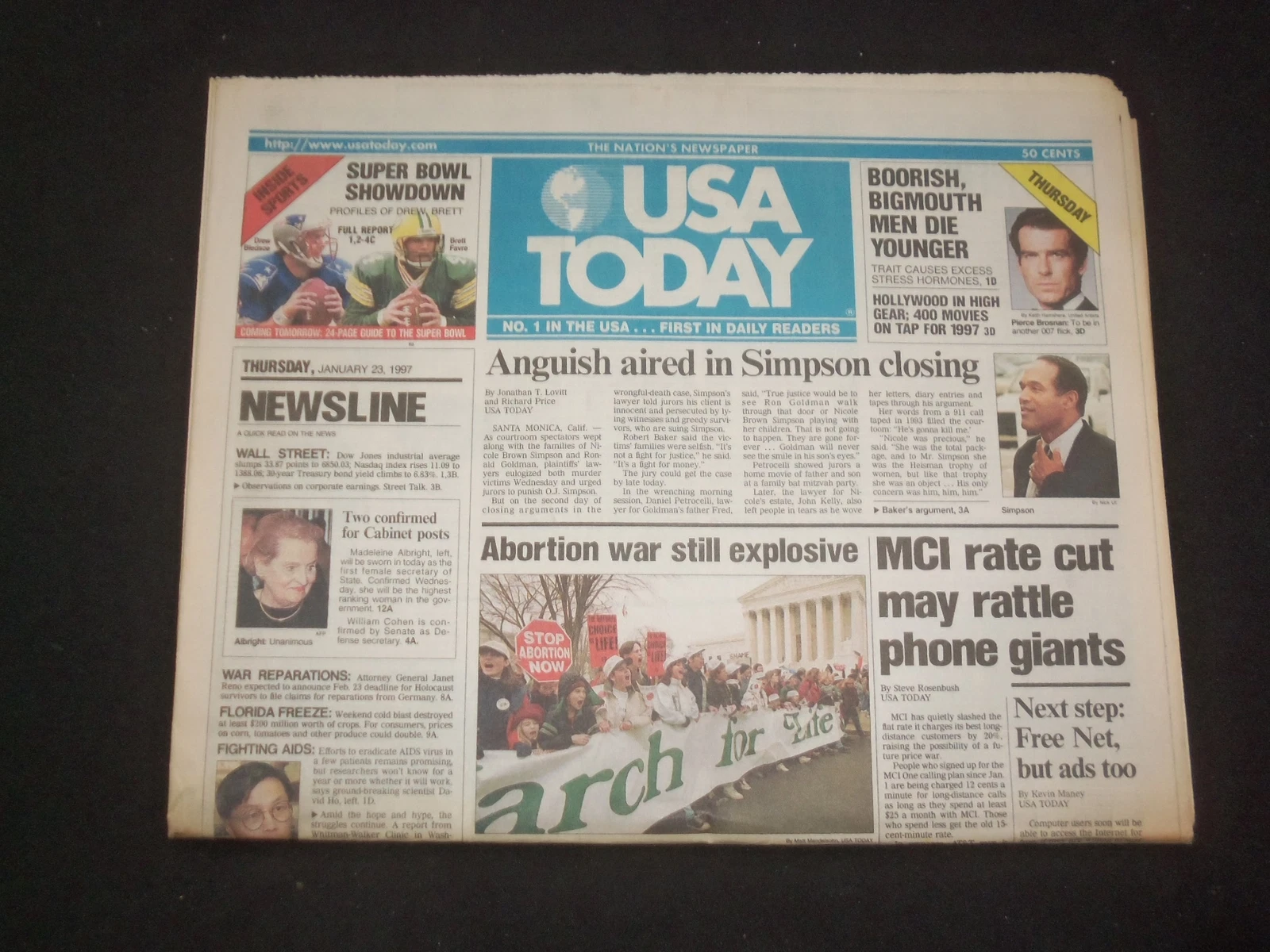
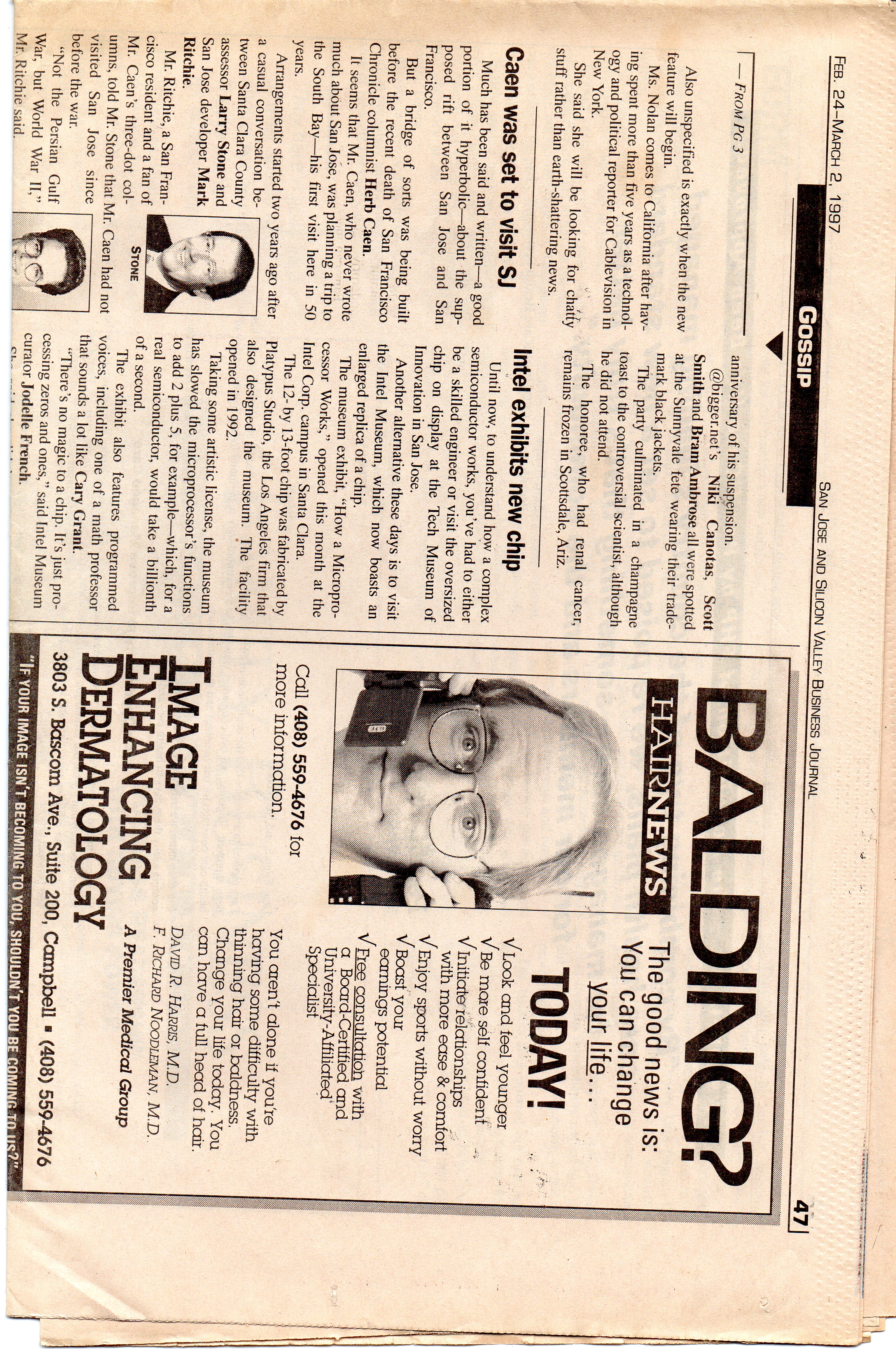
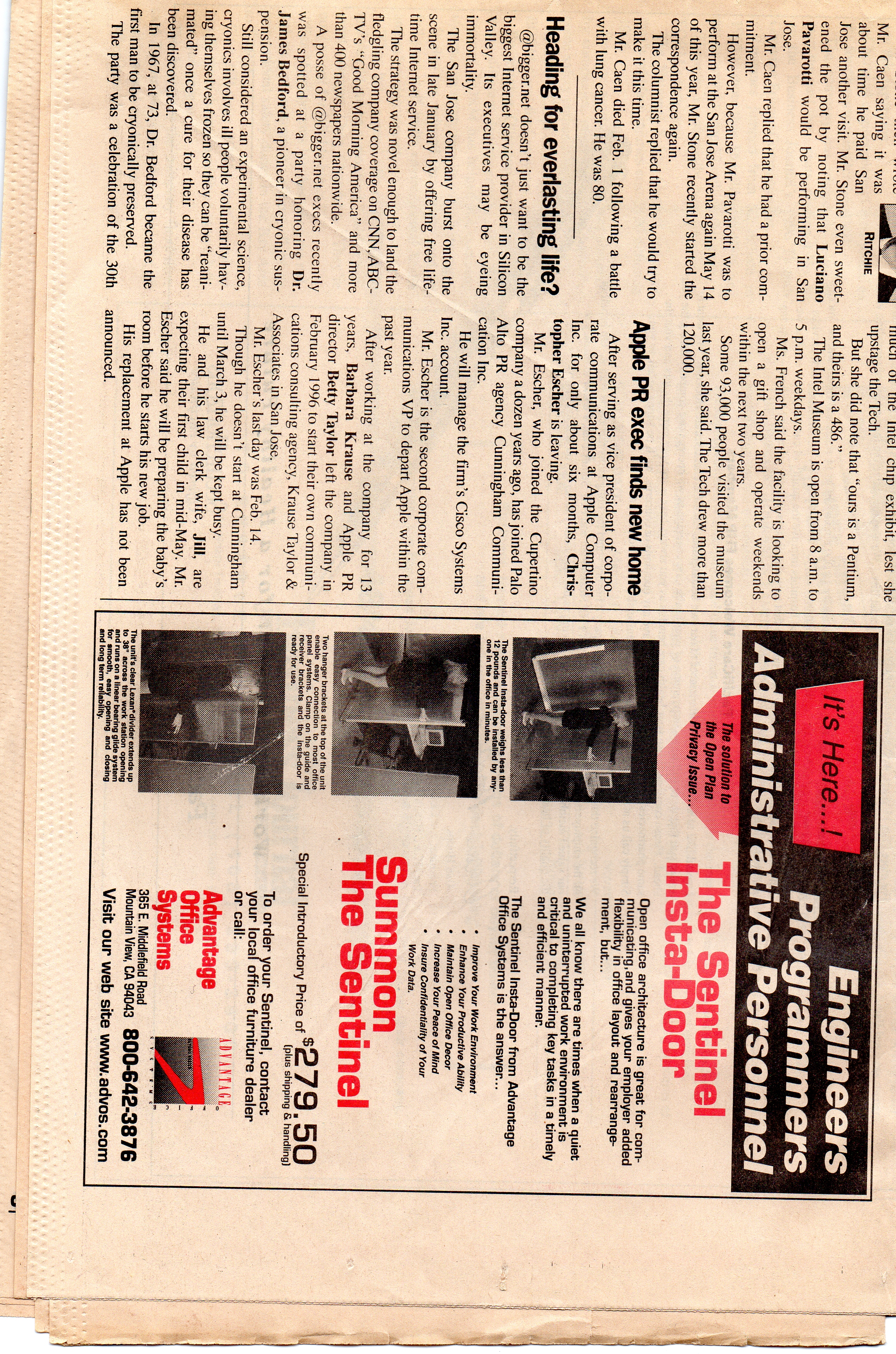
Featured on the front page of USA Today. The story ran alongside coverage of the OJ Simpson Civil Trial and Super Bowl XXXI.
1997-01-23 | SF CHRONICLE
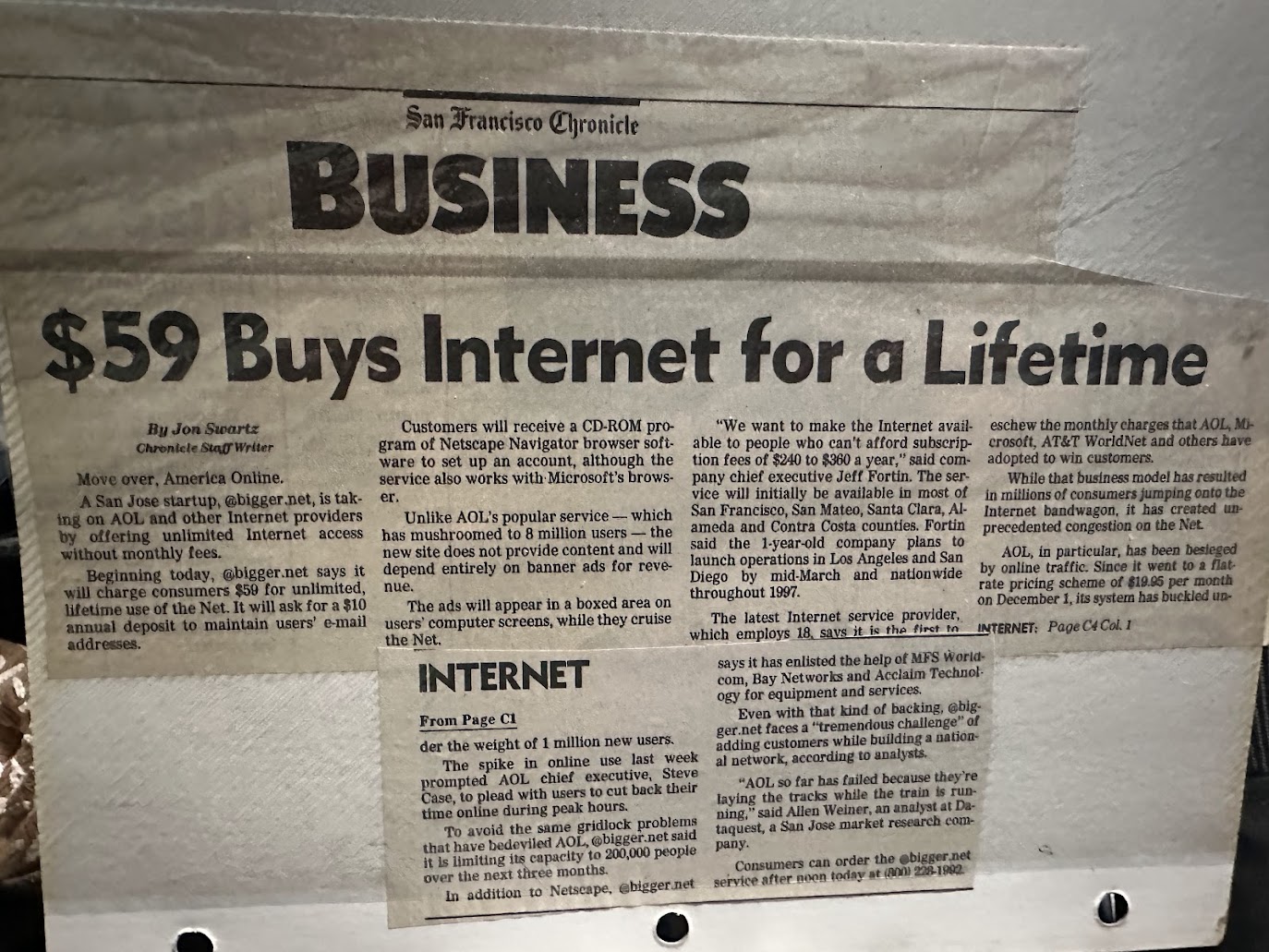
FEATURE: "$59 Buys Internet for a Lifetime"
Feature article by Jon Swartz detailing the launch. Crucial Verification: The article explicitly lists the infrastructure partners: "...enlisted the help of MFS Worldcom, Bay Networks and Acclaim Technology."
THE VIRAL MECHANISM | JAN 24, 1997
"THE DOUBLE WIRE": GLOBAL SATURATION
Achieving a "Double Wire" hit—simultaneous coverage on the Associated Press (AP) and United Press International (UPI)—was the 1990s equivalent of a global viral event.
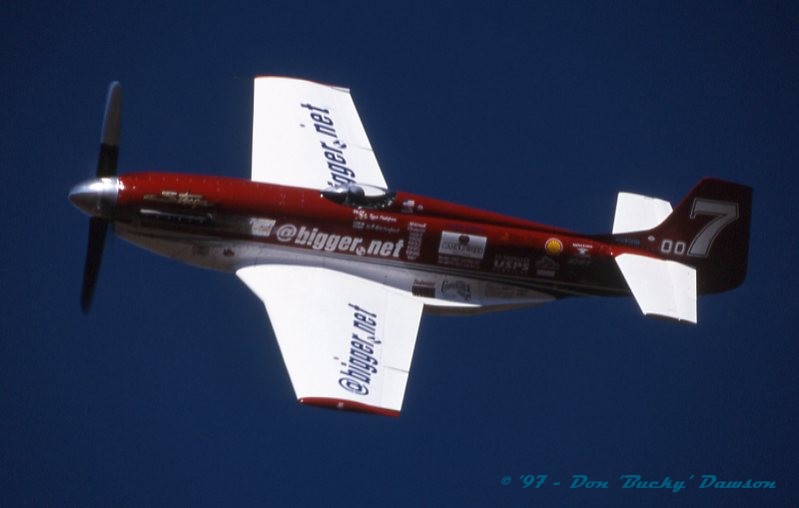
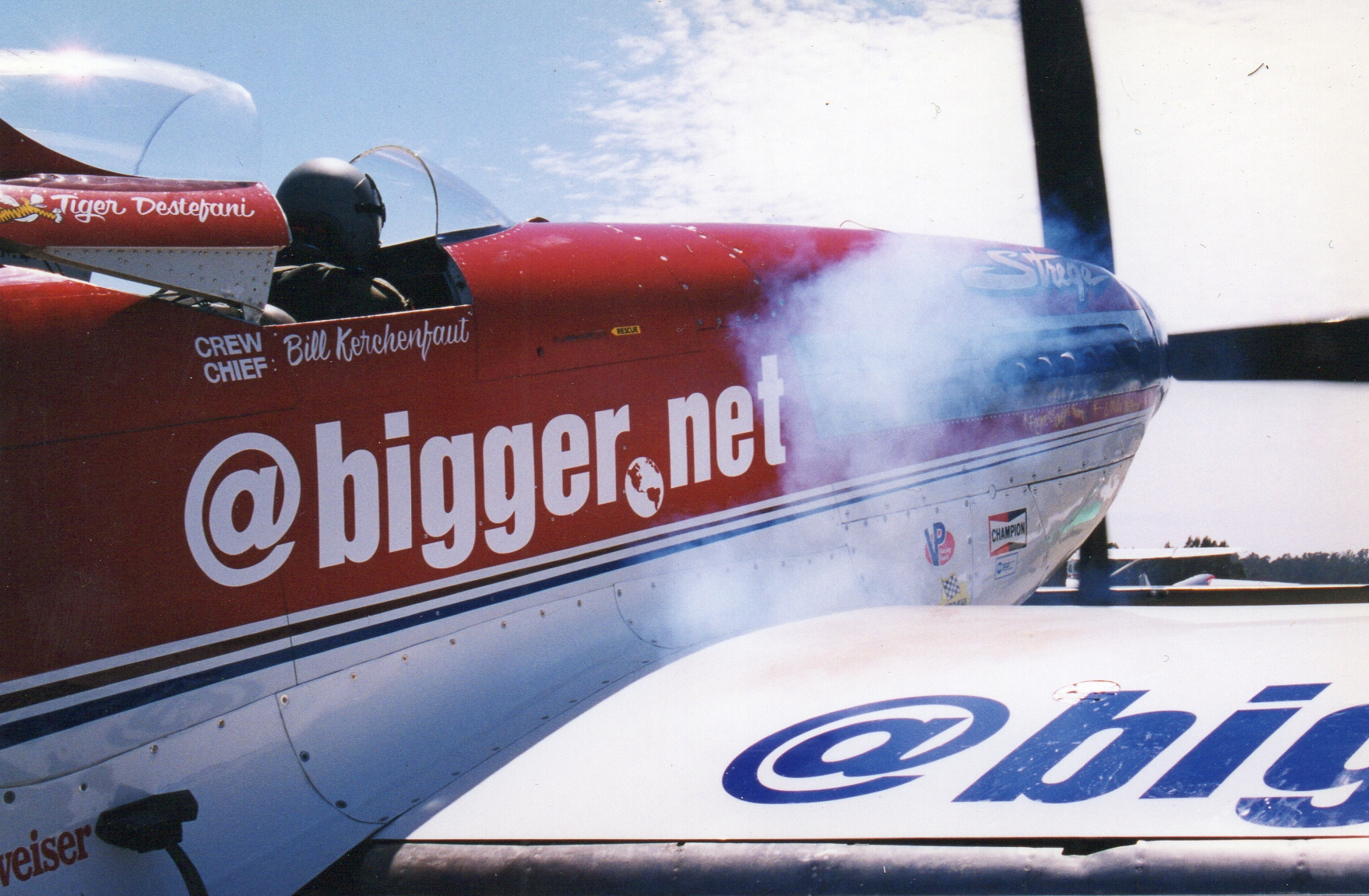
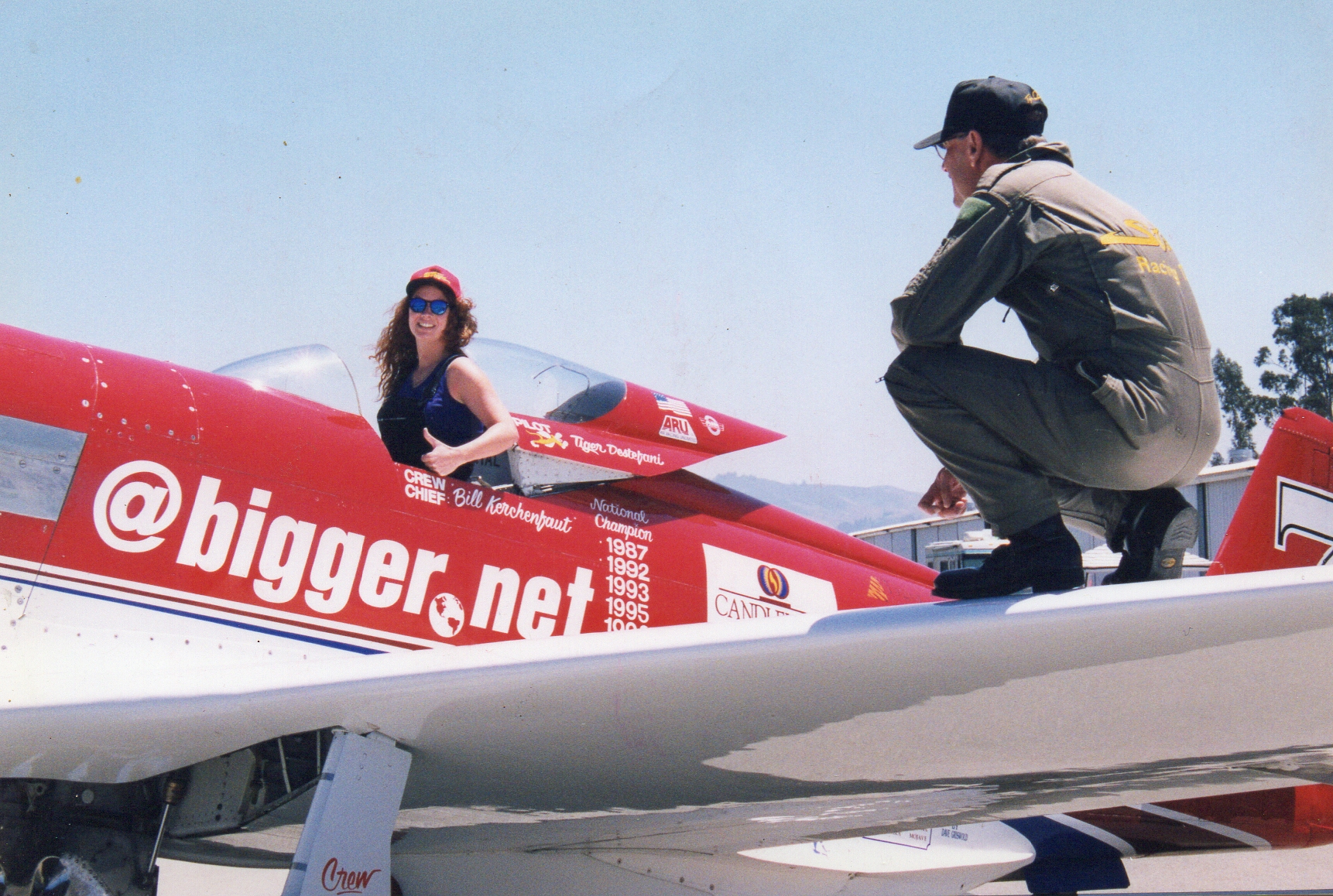
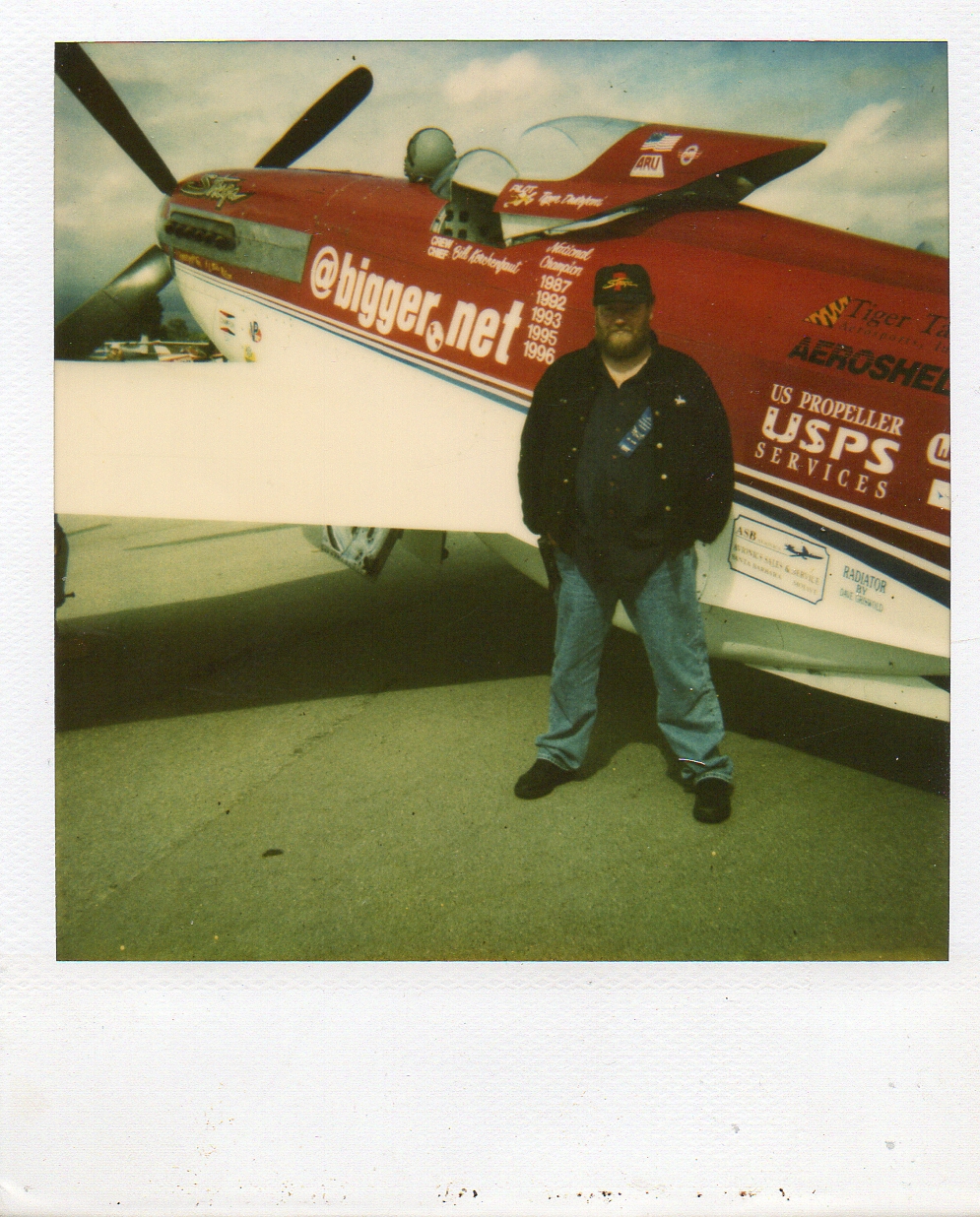
Official sponsorship of the Reno Air Races champion "Strega." The massive @bigger.net logo on the wings symbolized the "High Speed" nature of the network.
ACCESS: THE ENGINE RUN
Founder Scott Smith onsite for engine testing.
ACCESS: COCKPIT CHECK
Pre-flight checks in the P-51 Mustang.
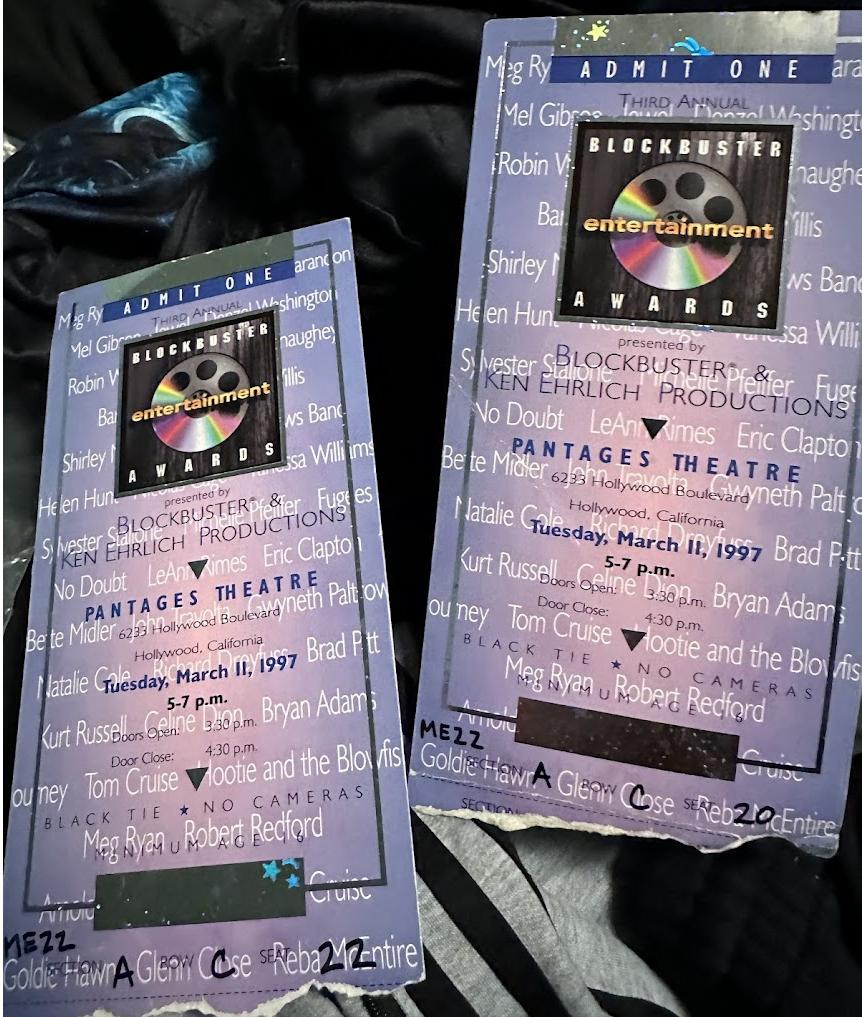
MEDIA PERKS: BLOCKBUSTER AWARDS
VIP Tickets for Founder Scott Smith to the Blockbuster Entertainment Awards (Presenters: Stallone, Cruise).
>> INDUSTRY IMPACT & EXPANSION
1998-11-02 | THE NEW YORK TIMES
RETAIL PARTNERSHIP: BIGGER.NET IN COMPUSA
A critical validation of the business model: The New York Times covered the expansion of @bigger.net from digital downloads to physical retail shelves.
Visual Verification: Founder Scott Smith (datGSguy) wearing the trademark black jacket on the tarmac with the sponsored P-51 Mustang "Strega."
>> ARTIFACTS & PHYSICAL PROOF
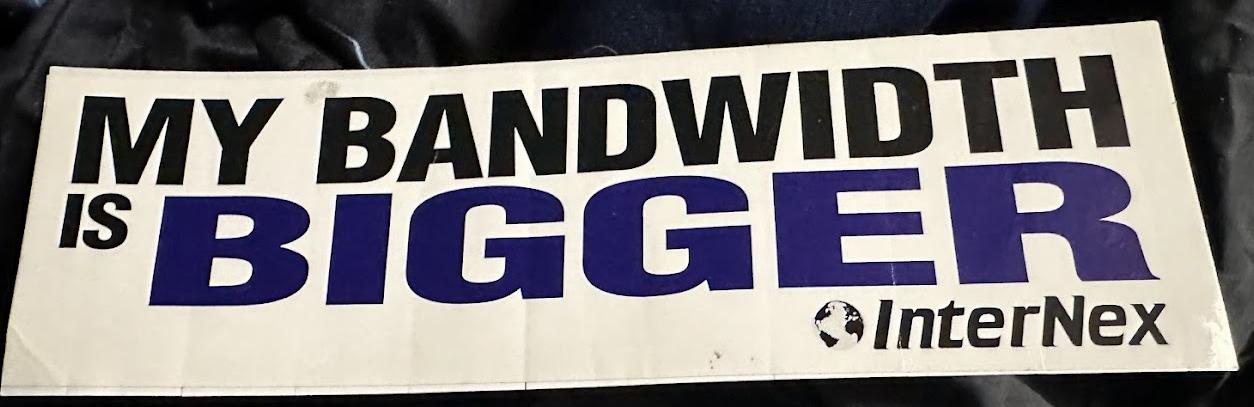
INSPIRATION: "My Bandwidth is Bigger"
The bumper sticker that inspired the brand name.
PRODUCT: The Software Distribution Kit
Original CD-ROMs and Floppy Disks featuring the "Surfer in a Suit" mascot and Netscape Navigator partnership branding.
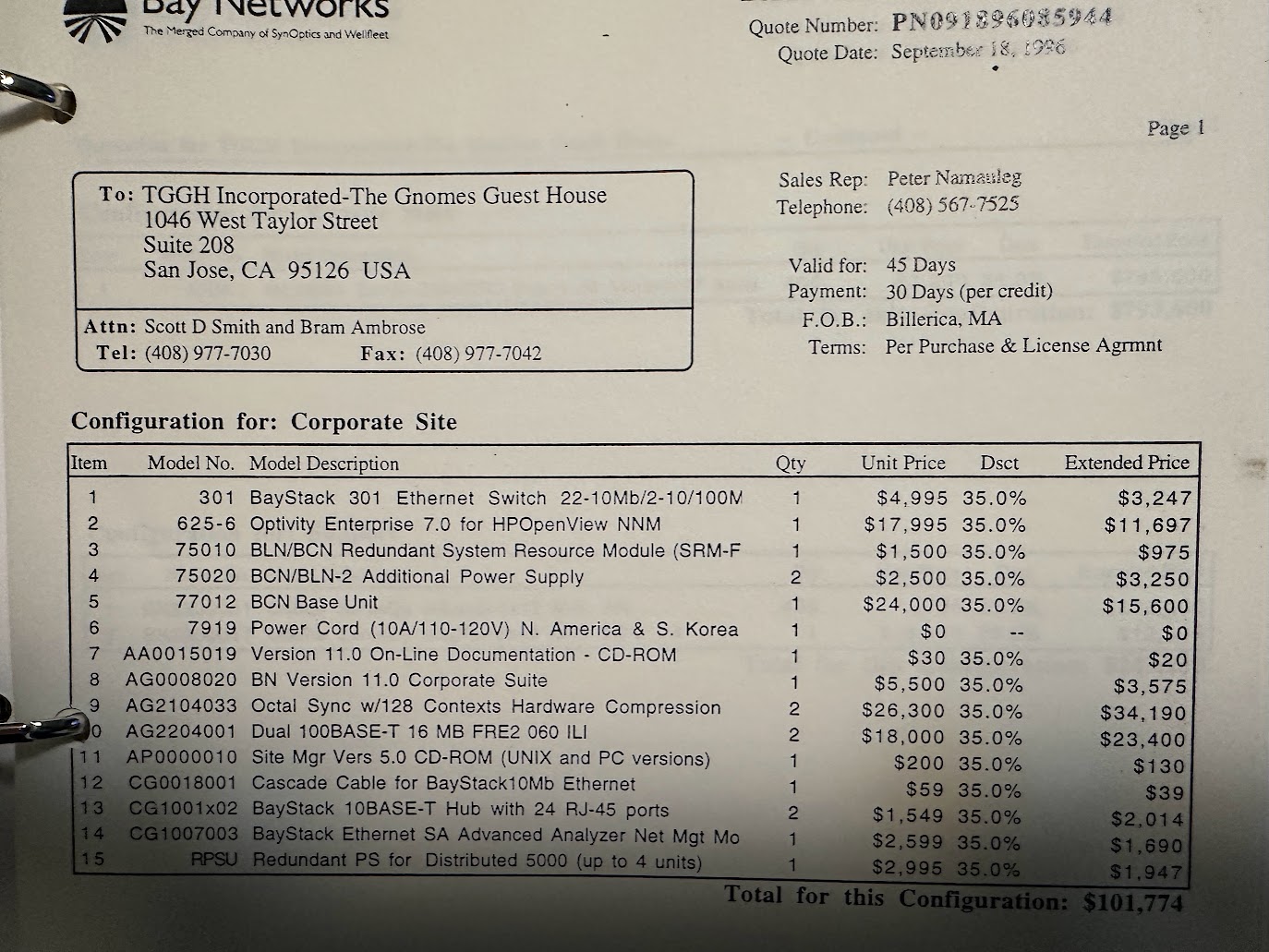
HARDWARE: The $101,774 Invoice
Bay Networks Quote PN091896085944. Proof of industrial infrastructure purchase (BayStack 301 Switches) prior to launch.
>> INTERNAL OPERATIONS (DEEP LORE)
THE ORG CHART
Key Roles Verified: Scott D. Smith (Founder), Jeff A. Fortin (CEO), Bram Ambrose (EVP).
OPERATIONS: The Support Center
Network Operations staff managing the dial-up infrastructure.
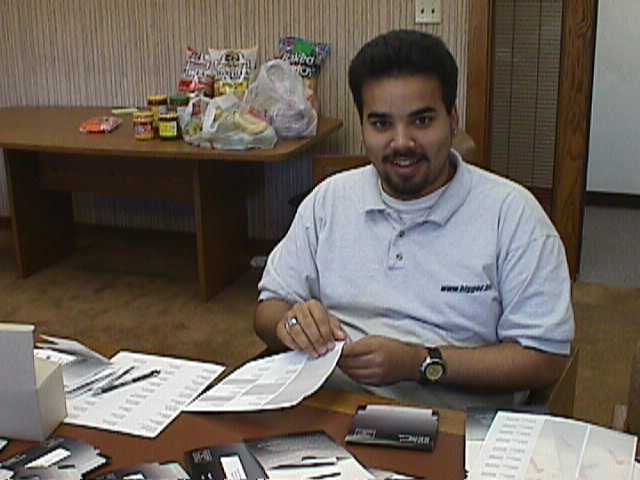
OPERATIONS: The Shipping Dept
Staff preparing the "Software Kits" for physical mailing to thousands of users.
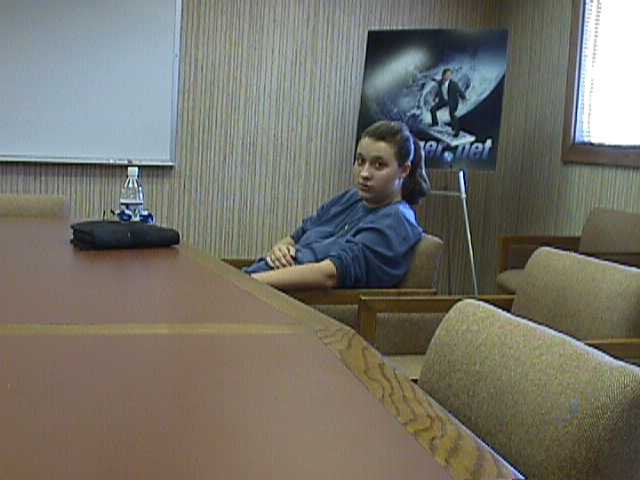
OPERATIONS: The War Room
Note the official "Surfer in a Suit" easel poster in the background.
>> THE FOUNDER (THEN & NOW)
ORIGIN: Architecting the Network
Scott Smith (datGSguy) architecting the Thai Internet Backbone for Education (1999).
>> CIVIC INFRASTRUCTURE HISTORY
2004-08-07 | THE REGISTER-GUARD
ACQUISITION OF COMMUNITY VOICEMAIL
In August 2004, Scott Smith (datGSguy) incorporated Oregon Public Communications, Inc. to rescue the "Community Voice Mail" service used by the Oregon Employment Department, preventing the disconnection of thousands of job-seeker voicemails.